
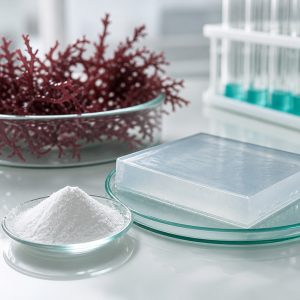
Introduction to Agarose(CAS 9012-36-6)
Agarose (CAS 9012-36-6) is the neutral polysaccharide fraction of agar, widely used for nucleic acid electrophoresis and biomolecule separation. This introduction covers its origin from red algae, agarobiose structure, gelation hysteresis, electroendosmosis (EEO), and typical quality specs such as gel strength, sulfate, and nuclease-free requirements.
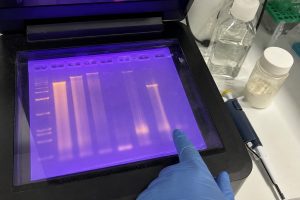
How to Troubleshoot Agarose Gel Electrophoresis: Smeared Bands, Weak Signals, and Soft Gels with CAS 9012-36-6
When an agarose gel looks wrong, the first question is rarely theoretical. It is practical: Why are the bands smeared?
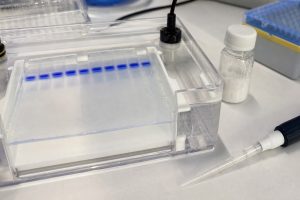
What Are the Applications of Agarose (CAS 9012-36-6)?
Agarose (CAS 9012-36-6) is a purified linear polysaccharide from red seaweed. Ask what is agarose, and the short laboratory answer

How Dipeptide Diaminobutyroyl Benzylamide Diacetate (CAS 823202-99-9) Is Used in Expression-Line Formulations
Dipeptide Diaminobutyroyl Benzylamide Diacetate (CAS 823202-99-9) is one of the more familiar expression-line peptides cosmetic chemists reach for when they

Agarose (CAS 9012-36-6): What It Is, How Gel Electrophoresis Works & How to Choose Powder
Agarose (CAS 9012-36-6) is a neutral linear polysaccharide purified from red seaweed and sold as a white powder for making
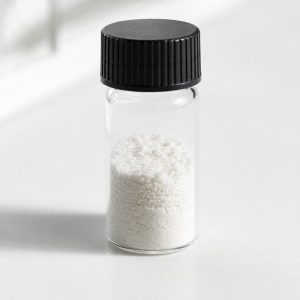
From Synthesis to Delivery: The Manufacturing and Quality Control of Dipeptide Diaminobutyroyl Benzylamide Diacetate (CAS 823202-99-9)
1. Introduction When purchasing a cosmetic peptide such as Dipeptide Diaminobutyroyl Benzylamide Diacetate (CAS 823202-99-9), most procurement teams focus on

Agarose (CAS 9012-36-6): The Essential Polysaccharide for Molecular Biology and Biotechnology
1. Introduction: Why Agarose Matters in Modern Bioscience If you have ever analyzed DNA in a laboratory — whether for
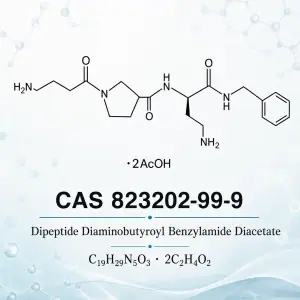
Writing Claims for Syn-Ake (CAS 823202-99-9): Honest Language for Serums & Eye Creams
How to write honest Syn-Ake (CAS 823202-99-9) claims for serums and eye creams—without overpromising Botox-like results.