
1. Introduction
When purchasing a cosmetic peptide such as Dipeptide Diaminobutyroyl Benzylamide Diacetate (CAS 823202-99-9), most procurement teams focus on price, lead time, and packaging. These matter. But what separates a reliable supplier from an unreliable one often comes down to something less visible: the manufacturing process and the quality control systems behind each batch.
If you are new to this ingredient, we recommend starting with our What is Dipeptide Diaminobutyroyl Benzylamide Diacetate? overview article for a complete introduction to its mechanism and clinical profile. This guide takes a different angle — it is written for procurement managers, quality assurance professionals, and formulation directors who need to evaluate peptide suppliers with technical rigor.
It walks through the entire production chain — from solid-phase peptide synthesis through purification, quality testing, packaging, and delivery — and explains what each step means for the quality of the material you receive. By the end, you will know exactly what questions to ask a supplier, what documents to request, and how to assess whether a batch meets the standards required for your application.
2. Chemical Identity Recap
Before discussing manufacturing, a quick reference of the compound:
| Property | Value |
| CAS Number | 823202-99-9 |
| INCI Name | Dipeptide Diaminobutyroyl Benzylamide Diacetate |
| Molecular Formula | C23H37N5O7 |
| Molecular Weight | 495.6 g/mol |
| Sequence | H-β-Ala-Pro-Dab-NH-Bzl · 2AcOH |
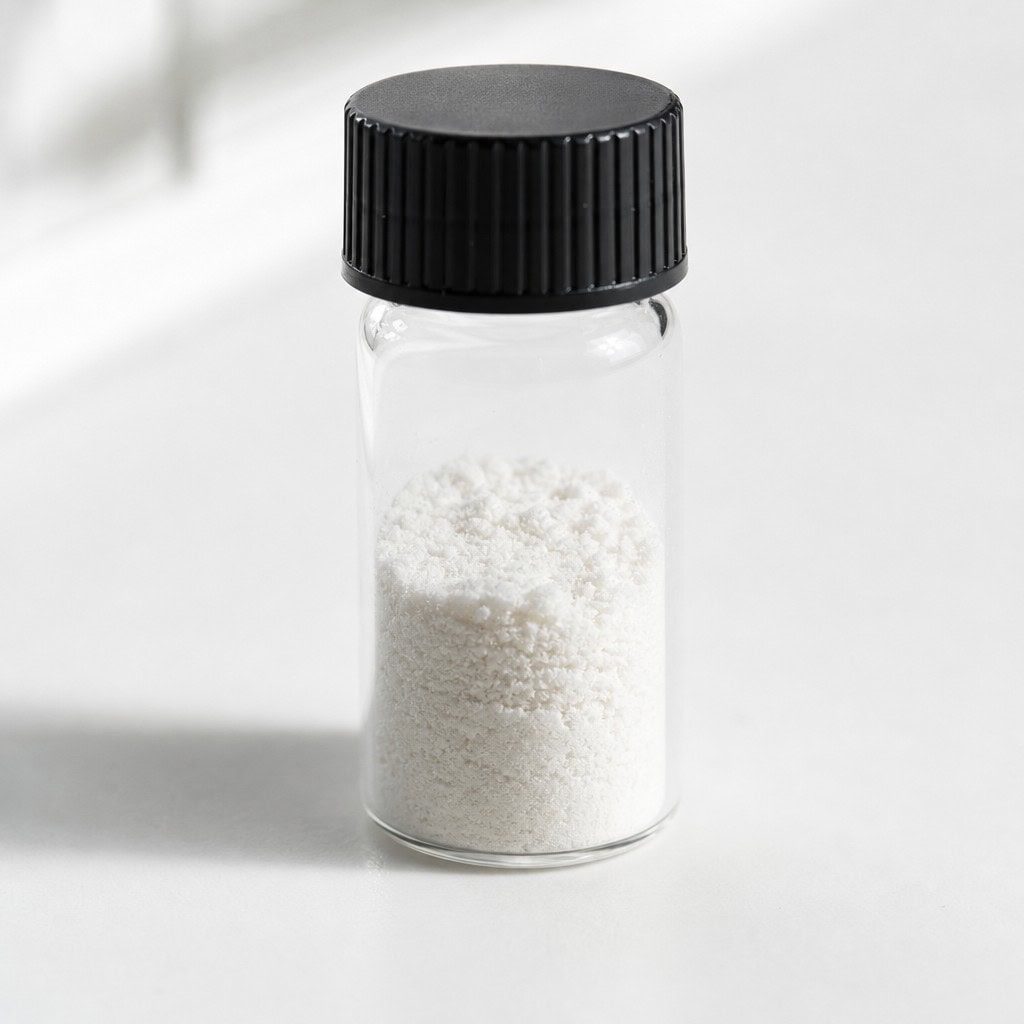
| Physical Form | White to off-white powder |
For the complete product specifications including packaging sizes and ordering information, visit our /product/cas-no-823202-99-9-snake-trippetide/product page. The diacetate salt form is the standard commercial grade. The acetate counterions improve aqueous solubility and stability compared to the free-base form, which is why essentially all cosmetic-grade material is supplied as the diacetate salt.
3. SPPS: The Core Synthesis Process
Dipeptide Diaminobutyroyl Benzylamide Diacetate is manufactured using solid-phase peptide synthesis (SPPS), the standard method for production of cosmetic and therapeutic peptides. SPPS allows precise control over the peptide sequence, high yield, and scalability from grams to kilograms.
Step 1: Resin Loading
The synthesis begins with a solid resin support, typically a Wang resin or 2-chlorotrityl chloride resin. The first amino acid — in this case, a protected form of diaminobutyric acid (Dab) — is covalently attached to the resin through its C-terminus. The resin is pre-swollen in a suitable solvent such as DMF or DCM to ensure uniform accessibility of reactive sites.
Step 2: Sequential Amino Acid Coupling
The peptide chain is built from the C-terminus to the N-terminus through repeated cycles of deprotection and coupling. For this specific peptide, the sequence H-β-Ala-Pro-Dab-NH-Bzl requires four coupling cycles:
- Coupling of Fmoc-Dab(Boc)-OH to the resin (first residue)
- Deprotection of the Fmoc group with 20% piperidine in DMF
- Coupling of Fmoc-Pro-OH (proline) using HBTU or HATU activation
- Coupling of Fmoc-β-Ala-OH (β-alanine) using the same activation chemistry
- Final benzylamide capping (NH-Bzl) via aminolysis or direct coupling
Each coupling step is monitored for completion, typically using a Kaiser test (ninhydrin test) or UV monitoring of the Fmoc deprotection. Incomplete coupling at any step would result in deletion sequences — truncated peptides missing one or more amino acids — which must be removed during purification.
Step 3: Cleavage and Global Deprotection
Once the full sequence is assembled, the peptide is cleaved from the resin and simultaneously deprotected using a cleavage cocktail, typically TFA (trifluoroacetic acid) with scavengers such as TIS (triisopropylsilane) and water. The cleavage step releases the crude peptide into solution, while the resin is filtered off. The crude peptide is then precipitated in cold diethyl ether or MTBE, collected by centrifugation or filtration, and dried under vacuum.
Step 4: Conversion to Diacetate Salt
The crude peptide exists initially as the TFA salt (from the cleavage step). A salt exchange step converts it to the acetate form by dissolving the peptide in dilute acetic acid and lyophilizing, or by passing through an ion-exchange column. This step is critical because the acetate salt has better solubility, lower toxicity, and improved sensory profile for cosmetic applications compared to the TFA salt. For detailed formulation guidance once you receive your material, see our Formulating with Syn-Ake: Use Level, pH, Cool-Down & Pairing with Argireline formulation guide.
4. Purification: From Crude Peptide to High Purity
Crude peptide purity after cleavage is typically in the range of 60–85%, depending on synthesis efficiency. To reach cosmetic-grade purity (typically ≥98% or ≥99% by HPLC), the crude material must undergo preparative purification.
Preparative HPLC (Prep-HPLC)
Reverse-phase preparative HPLC is the primary purification method. The crude peptide is dissolved in a suitable solvent system and loaded onto a C18 column. A gradient of water and acetonitrile, both containing 0.1% TFA, is used to separate the target peptide from impurities. The main peak is collected based on UV detection at 220 nm or 280 nm.
Key considerations for prep-HPLC of this peptide:
- Column loading: typically 5–15% of the column’s theoretical capacity to maintain resolution
- Gradient slope: shallow gradients (0.5–1% acetonitrile per minute) for better separation of closely eluting impurities
- Pooling criteria: only fractions above a defined purity threshold (e.g., ≥98%) are pooled; side fractions may be reprocessed
Ion Exchange and Salt Conversion
After prep-HPLC, the peptide is still in the TFA salt form. Ion-exchange chromatography or repeated lyophilization from acetate buffer converts the peptide to the desired diacetate form. Residual TFA content should be monitored and documented on the Certificate of Analysis, as high residual TFA can affect formulation pH and sensory properties.
Lyophilization (Freeze-Drying)
The purified peptide solution is frozen and lyophilized to produce a dry, free-flowing powder. Lyophilization parameters — freezing rate, primary drying temperature, secondary drying time — are optimized to maintain peptide integrity and avoid aggregation or degradation. The final product is a white to off-white powder with typical moisture content below 5%.
5. Quality Control: Testing What Matters
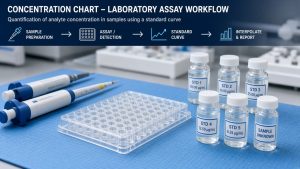
A robust QC program tests every batch against defined specifications before release. The following table summarizes the standard QC tests for cosmetic-grade Dipeptide Diaminobutyroyl Benzylamide Diacetate:
| Test | Method | Typical Specification |
| Assay (Purity) | RP-HPLC (UV 220 nm) | ≥98.0% area |
| Identity | LC-MS or ESI-MS | Matches [M+H]+ theoretical (495.6) |
| Amino Acid Analysis | AAA (HCl hydrolysis) | Matches theoretical composition |
| Counterion Content | Ion chromatography | Acetate: 15–25% w/w |
| Residual TFA | Ion chromatography or 19F NMR | < 1.0% w/w |
| Water Content | Karl Fischer titration | < 5.0% |
| Appearance | Visual inspection | White to off-white powder |
| Heavy Metals | ICP-MS | Complies with cosmetic limits |
Understanding HPLC Purity
The most frequently cited specification is HPLC purity (area%). A value of ≥98% means the target peptide peak accounts for at least 98% of the total integrated UV absorbance. The remaining 2% may include deletion sequences, oxidation products, and other process-related impurities. For most cosmetic applications, 98% is the commercial standard. Higher purity (≥99%) is available from some suppliers and may be warranted for premium formulations, though the additional purification cost must be justified by the application requirements.
Batch-to-Batch Consistency
A single COA tells you about one batch. What matters for formulators is consistency across batches. Request historical COA data from your supplier for at least three recent batches. Compare the HPLC purity, impurity profile (the number and area of side peaks), and water content. Consistent specifications across batches indicate a well-controlled process. Wide variation suggests process instability that will eventually affect your formulation. For a broader discussion of how purity impacts formulation results, refer to our The Science Behind Dipeptide Diaminobutyroyl Benzylamide Diacetate article.
6. Impurity Profile and What It Means for Formulators
Beyond the main purity number, the impurity profile — the pattern of minor peaks in the HPLC chromatogram — tells an important story about the manufacturing process. The most common impurities in this peptide include:
| Impurity Type | Cause | Typical Level in Good Manufacturing |
| Deletion sequences | Incomplete coupling during SPPS | < 0.5% each |
| Oxidation products | Oxidation of Dab side chain | < 0.3% |
| Truncated peptides | Premature cleavage or termination | < 0.5% |
| Residual solvents | Incomplete removal after purification | < 0.1% each |
Why does this matter for your formulation? Deletion sequences and truncated peptides may have reduced or absent biological activity, diluting the efficacy of your finished product. Oxidation products can cause discoloration over time, particularly in water-based serums. Residual TFA can lower the pH of your formulation, potentially requiring additional buffering. A supplier who provides a detailed impurity profile — not just a single purity number — demonstrates process understanding and quality commitment.
7. Packaging, Storage and Shelf Life
Packaging Options
- Double polyethylene bags inside a sealed aluminum foil pouch — standard for laboratory-scale (1–100 g)
- HDPE drums with inner liner — standard for bulk quantities (1–25 kg)
- Light-protected packaging is essential; UV exposure accelerates peptide degradation
- Oxygen barrier packaging recommended for long-term storage
Storage Conditions
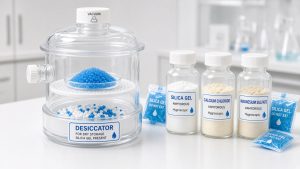
Dipeptide Diaminobutyroyl Benzylamide Diacetate powder should be stored at −20°C to 8°C, protected from light and moisture. Under these conditions, the typical shelf life is 24–36 months. Once opened, the container should be resealed immediately after each use to prevent moisture absorption. The peptide is hygroscopic — exposure to ambient humidity can cause clumping and gradual degradation.
Stability Data Expectations
A qualified supplier should provide stability data supporting their claimed shelf life. At minimum, request:
- Accelerated stability: 40°C / 75% RH for 3 months (ICH Q1A-equivalent)
- Long-term stability: 2–8°C for 24–36 months (real-time data preferred)
- Freeze-thaw stability: minimum 3 cycles if the material may experience temperature fluctuations during shipping
8. Supplier Evaluation Checklist
When evaluating a supplier of Dipeptide Diaminobutyroyl Benzylamide Diacetate, use the following checklist to ensure consistent quality and reliable supply. The full product listing with current pricing and packaging options is available on our /product/cas-no-823202-99-9-snake-trippetide/ product page.
| Document | What to Check | Red Flag |
| Certificate of Analysis (COA) | HPLC purity ≥98%; actual values (not just “pass”); impurity profile; retention time match | Generic COA without batch number or actual test values |
| Structural Confirmation | LC-MS or ESI-MS confirming molecular weight; HPLC retention time matches reference standard | No identity testing; COA lists only HPLC area% |
| Salt Form Confirmation | Acetate content by IC or NMR; residual TFA documented | No mention of salt form; COA shows TFA salt |
| Batch Consistency | At least 3 consecutive batch COAs; purity variation < 0.5% | Single batch COA only; no historical data available |
| Stability Data | Accelerated (3 months) and real-time (12+ months) data | No stability data; “shelf life” stated without support |
| Packaging | Light-protected, moisture-barrier packaging; vacuum-seal option | Clear plastic bags; no desiccant; no light protection |
| Lead Time | Stock items: 3–7 business days; custom: 2–4 weeks | Lead times > 6 weeks without explanation |
| Sample Policy | Sample (5–20 g) with full COA before bulk purchase | No sample available; requires full purchase for evaluation |
Using this checklist before issuing a purchase order can prevent the most common quality issues: receiving material that does not match the sample, discovering process instability after scaling up, or dealing with impurity problems that affect formulation stability.
9. Frequently Asked Questions
Q1: What purity should I specify when ordering Dipeptide Diaminobutyroyl Benzylamide Diacetate (CAS 823202-99-9)?
For most cosmetic applications, ≥98% (HPLC area%) is the standard commercial grade. If your formulation is particularly sensitive to impurities — for example, a clear serum where discoloration would be visible — consider specifying ≥99%. Confirm with your supplier whether the purity is measured on the peptide alone or includes the acetate counterion mass.
Q2: How do I verify the identity of the material I receive?
Cross-check three items: (1) CAS number on the COA matches 823202-99-9, (2) molecular weight by MS matches the theoretical value of 495.6 g/mol, and (3) HPLC retention time matches the reference standard. A reputable supplier will include this data on every COA without being asked.
Q3: What is the difference between TFA salt and acetate salt, and why does it matter?
The crude peptide after synthesis is in TFA salt form. Most commercial cosmetic-grade material is converted to the acetate salt. The acetate form has better aqueous solubility, lower toxicity, and better compatibility with cosmetic formulations. Residual TFA can lower formulation pH and may cause irritation. Always confirm the salt form on the COA. For more on how this affects your formulation, see our Formulating with Syn-Ake: Use Level, pH, Cool-Down guide.
Q4: How long does Dipeptide Diaminobutyroyl Benzylamide Diacetate remain stable in storage?
When stored at 2–8°C in sealed, light-protected packaging, the typical shelf life is 24–36 months. For long-term storage, −20°C is preferable. The material is hygroscopic; repeated opening of containers without resealing will shorten shelf life. Always request stability data from your supplier.
Q5: What documents should I request before placing a bulk order?
At minimum: (1) COA from the specific batch you are ordering, with HPLC chromatogram, (2) MS confirmation data, (3) SDS, (4) stability data summary. For ongoing supply relationships, request historical COA data for the last 3–5 batches to evaluate consistency, and confirm that the sample specification matches the bulk specification in writing.
10. Conclusion
The quality of the Dipeptide Diaminobutyroyl Benzylamide Diacetate (CAS 823202-99-9) you receive starts with the manufacturing process. A well-controlled SPPS synthesis, rigorous purification, comprehensive quality testing, and proper packaging and storage are the foundation of consistent, high-quality material.
For procurement professionals and formulation directors, the key takeaway is this: evaluate suppliers not just on price and lead time, but on the depth of their quality systems. Request detailed COA data with impurity profiles, confirm salt form and residual TFA, ask for batch consistency records, and verify stability data. The few extra hours spent on supplier evaluation upfront can save months of formulation troubleshooting later.
To continue learning, we recommend the following resources from our site: for complete product specifications and ordering, for detailed formulation guidance, and for help crafting compliant product claims.
Need technical documentation for Dipeptide Diaminobutyroyl Benzylamide Diacetate (CAS 823202-99-9)?
Contact us for detailed COA, MSDS, batch consistency data, and pricing.