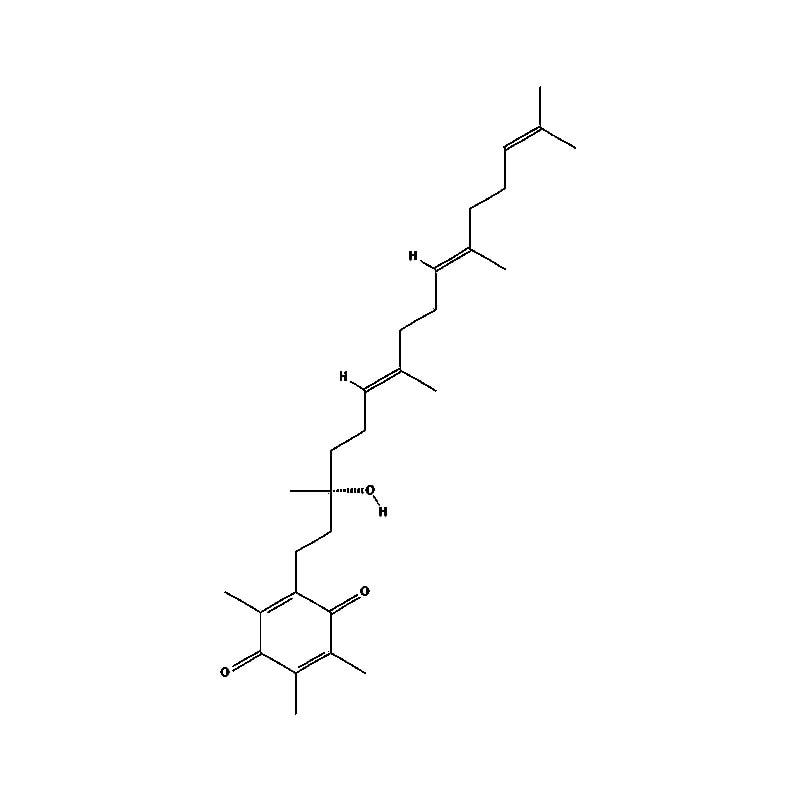
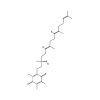
Vatiquinone (CAS 1213269-98-7) is supplied by Monuo Chemical as an α-tocotrienol quinone (para-benzoquinone) research small molecule for custom synthesis, mitochondrial-biology and redox-pathway R&D purchasing. Catalog and clinical literature also use EPI-743, PTC-743, α-tocotrienol quinone and vincerenone. Buyers typically search by vatiquinone, EPI-743 or CAS when sourcing a defined vitamin E–derived quinone reference—not a botanical extract.
Key Specifications at a Glance
| Product Name | Vatiquinone (EPI-743 / PTC-743; α-tocotrienol quinone) |
|---|---|
| CAS Number | 1213269-98-7 |
| Molecular Formula | C29H44O3 |
| Molecular Weight | 440.66 g/mol |
| IUPAC Name | 2-[(3R,6E,10E)-3-hydroxy-3,7,11,15-tetramethylhexadeca-6,10,14-trienyl]-3,5,6-trimethylcyclohexa-2,5-diene-1,4-dione |
| Chemical Class | Synthetic vitamin E analog / para-benzoquinone (α-tocotrienol oxidation product) |
| Appearance | Light yellow to yellow (viscous) oily liquid (research-supplier listings) |
| Typical Use Area | Mitochondrial / oxidative-stress R&D; ALOX15 / ferroptosis pathway studies; reference compound supply |
| Category | Custom synthesis |
| Documents | COA and SDS available on request |
| Supply Origin | China | Worldwide shipping |
What Is Vatiquinone?
Vatiquinone (CAS 1213269-98-7) is the quinone oxidation product of α-tocotrienol, one of the eight naturally occurring vitamin E forms. Molecular formula C29H44O3; molecular weight about 440.66 g/mol. PubChem CID 46184405; InChIKey LNOVHERIIMJMDG-XZXLULOTSA-N. It is a defined synthetic analog rather than a crude plant extract. Always match CAS 1213269-98-7 and stereochemistry on the batch COA.
IUPHAR/BPS and development literature describe vatiquinone (EPI-743; PTC-743) as an orally studied ALOX15 (15-lipoxygenase) inhibitor and redox-modulating small molecule investigated for inherited mitochondrial respiratory-chain diseases, Friedreich’s ataxia, Leigh syndrome and related oxidative-stress disorders. Proposed laboratory mechanisms include glutathione repletion, NQO1-related redox control and ferroptosis-pathway studies. Monuo Chemical supplies vatiquinone as a specialty chemical raw material under Custom synthesis, with batch identity documentation (COA / SDS). It is not supplied as a finished drug substance, oral solution or consumer product. Finished-product claims, labeling and local regulatory filings remain the customer’s responsibility.
Synonyms & Search Names
- Vatiquinone
- EPI-743 / EPI743
- PTC-743 / PTC743
- α-Tocotrienol quinone / alpha-tocotrienol quinone
- ATQ3 / ATQ-3
- Vincerenone
- 2-[(3R,6E,10E)-3-hydroxy-3,7,11,15-tetramethylhexadeca-6,10,14-trienyl]-3,5,6-trimethylcyclohexa-2,5-diene-1,4-dione
- CAS 1213269-98-7
Applications
In specialty chemical and custom synthesis projects, vatiquinone is commonly reviewed for:
- Mitochondrial redox, glutathione and oxidative-stress pathway research
- ALOX15 / 15-lipoxygenase inhibition and ferroptosis-related cell-biology assays
- Vitamin E analog and coenzyme Q10–related SAR / reference-compound catalogs
- Analytical identification of α-tocotrienol quinone versus parent tocotrienol species
- Preclinical literature follow-up on Friedreich’s ataxia, Leigh syndrome and other mitochondrial-disease models (research use only)
Compare related specialty items such as Cardiolipin sodium salt from bovine heart (CAS 383907-10-6) in the same Custom synthesis range.
Handling & Use Notes
- Assay check: Confirm identity (CAS 1213269-98-7) and HPLC / NMR assay on the batch COA before use. Research catalogs often list ≥98% purity—verify lot-specific data.
- Physical form: Typically a light-yellow to yellow oily liquid; keep sealed. Protect unsaturated side chains from unnecessary light, heat and air.
- Dissolution: Research suppliers note solubility in DMSO and ethanol, not in water. Prepare stock solutions as required by your protocol and avoid repeated freeze–thaw.
- Safety: Laboratory research use only—not for human or veterinary administration. Follow the batch SDS for PPE, storage and waste.
Need assay or packing discussion? Email [email protected] or use the contact form.
Packaging, Storage & Logistics
| Standard Pack Sizes | 50 g / 100 g bottles; 500 g / 1 kg packs (custom packing available) |
|---|---|
| Storage | Sealed, dry and cold (−20 °C for long-term storage in research-supplier listings). Follow the batch COA and SDS |
| Shelf Life | Confirm shelf life on the COA for each lot |
| MOQ | Discussed per project. Paid evaluation quantities are available on quotation (not free). |
| Lead Time | Confirmed after stock availability, packing, and shipping terms are agreed |
Quality & Documentation
For vatiquinone (CAS 1213269-98-7), Monuo Chemical can provide:
- Certificate of Analysis (COA)
- Technical Data Sheet (TDS) and Safety Data Sheet (SDS)
- CAS / product-name confirmation for your purchase file
- Flexible packing from grams to kilograms
- FOB / CIF / DAP terms as agreed
Our team aims to return technical data and quotations within 24 hours. See also Custom synthesis.
Request a Quote
Share your target assay, pack size and destination. We will confirm availability and documentation for vatiquinone CAS 1213269-98-7.
Request a Quote | Email: [email protected]
Frequently Asked Questions
What is vatiquinone (CAS 1213269-98-7)?
Vatiquinone is α-tocotrienol quinone, a synthetic para-benzoquinone analog of vitamin E. Monuo Chemical lists it under Custom synthesis. Match CAS 1213269-98-7 on the batch COA.
Is vatiquinone a plant extract?
No. Although it is chemically related to α-tocotrienol from vitamin E chemistry, vatiquinone is a defined synthetic quinone (oxidation product) and belongs in Custom synthesis—not botanical extract catalogs.
What are EPI-743 and PTC-743?
Those are developmental code names for the same INN vatiquinone. Also search α-tocotrienol quinone, ATQ3 and vincerenone. Specify CAS 1213269-98-7 on RFQs to avoid mix-ups.
How is vatiquinone used in published research?
Literature and clinical-development summaries describe ALOX15 inhibition, glutathione / redox modulation and investigational work in mitochondrial disease models. Monuo Chemical supplies the compound as a research raw material; no therapeutic efficacy is claimed here.
Do you supply finished vatiquinone oral solution?
No. Clinical-trial oral solutions (e.g. sesame-oil formulations) are investigational products. This listing is for CAS-matched research / custom-synthesis material as described on the COA.
What is the molecular formula and weight?
C29H44O3; about 440.66 g/mol. Confirm on the batch COA/TDS.
How should vatiquinone be stored?
Research suppliers typically recommend sealed storage at −20 °C, protected from light. Follow the batch SDS as the controlling document.
Which related Custom synthesis products can I review?
See Cardiolipin sodium salt from bovine heart (CAS 383907-10-6), ASR-488 (CAS 2690312-65-1), or the full Custom synthesis catalog.
Related Products
- Cardiolipin sodium salt from bovine heart (CAS 383907-10-6)
- ASR-488 (CAS 2690312-65-1)
- Novobiocin sodium (CAS 1476-53-5)
- View all Custom synthesis
Disclaimer: Information is for specialty chemical raw-material identification and technical reference. Vatiquinone is supplied for laboratory research / process-development use as described on the COA—not as a finished pharmaceutical, diagnostic or consumer product. Published clinical and biology literature is cited for R&D context only. Finished-product claims and regulatory filings remain the customer’s responsibility. Verify each lot against the supplied COA and SDS. Trade terms are FOB / CIF / DAP as agreed.