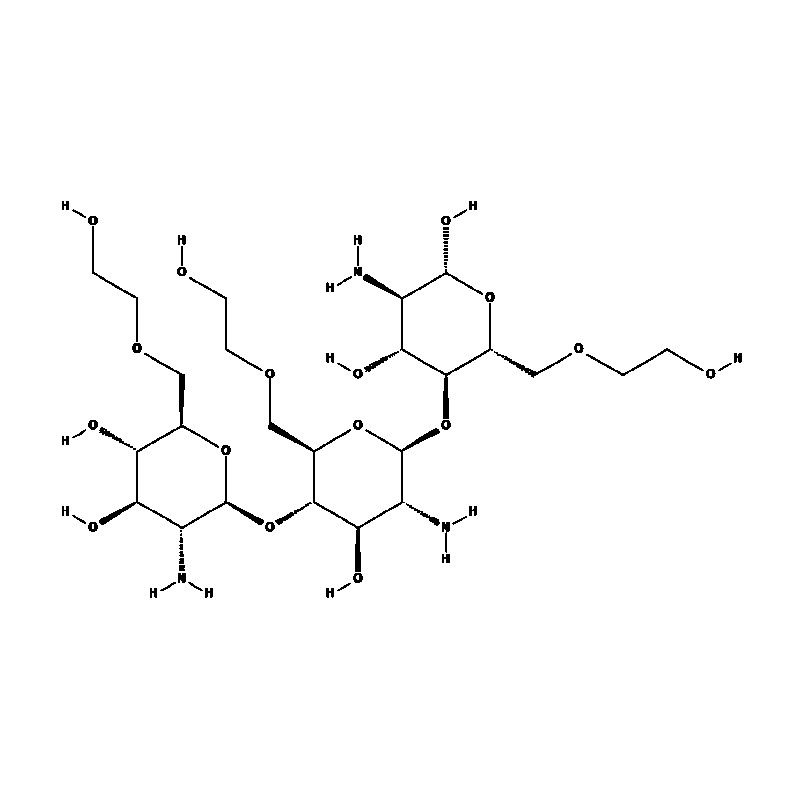
Glycol chitosan (CAS 123938-86-3) is a water-soluble chitosan derivative with hydrophilic ethylene glycol branches, supplied by Monuo Chemical for specialty chemical and custom synthesis purchasing. Buyers typically search by glycol chitosan, chitosan 6-(2-hydroxyethyl) ether or CAS when sourcing a defined polymer for biomedical R&D, drug-carrier formulation studies and analytical reference work.
Key Specifications at a Glance
| Product Name | Glycol chitosan (Chitosan 6-(2-hydroxyethyl) ether) |
|---|---|
| CAS Number | 123938-86-3 |
| Chemical Class | Water-soluble chitosan derivative / polysaccharide polymer |
| Polymer Notes | Batch-dependent molecular weight and degree of deacetylation (literature cites ca. 20–250 kDa and 60–82.7% deacetylation for glycol chitosan grades); confirm on the batch COA |
| Purity / Specification | 60% by titration (confirm assay on the batch COA) |
| Appearance | Typically supplied as a white to off-white powder (confirm on COA) |
| Solubility | Water-soluble at neutral to acidic pH; literature also cites use in aqueous and selected polar solvent systems—verify for your batch |
| Typical Use Area | Polymer R&D; drug-delivery carrier studies; hydrogel / nanoparticle formulation; antimicrobial research supply |
| Category | Custom synthesis |
| Documents | COA, TDS, SDS on request |
| Supply Origin | China | Worldwide shipping |
What Is Glycol Chitosan?
Glycol chitosan (CAS 123938-86-3) is a chitosan derivative prepared from chitin-derived chitosan and modified with hydrophilic ethylene glycol branches. Unlike native chitosan, which is poorly soluble in water above about pH 6, glycol chitosan dissolves in water under neutral or acidic conditions and retains reactive amine and hydroxyl groups for further chemical modification. It is also catalogued as chitosan 6-(2-hydroxyethyl) ether in supplier databases. Always match CAS 123938-86-3 on the batch COA.
Biomedical literature describes glycol chitosan as biocompatible and biodegradable, with extensive use as a platform polymer for self-assembled nanoparticles, micelles and hydrogels in drug-delivery and cell-imaging research. Catalog references also note in vitro antibacterial activity against strains such as Escherichia coli, Staphylococcus aureus and Streptococcus enteritidis, and membrane-permeability studies in plant-cell models. Monuo Chemical supplies glycol chitosan as a specialty polymer raw material under Custom synthesis, with batch identity documentation (COA / SDS). It is supplied for research and process-development purchasing—not as a finished pharmaceutical, cosmetic or consumer product. Finished-product claims, labeling and local regulatory filings remain the customer’s responsibility.
Synonyms & Search Names
- Glycol chitosan
- GC (glycol chitosan)
- Chitosan 6-(2-hydroxyethyl) ether
- Chitosan derivative with ethylene glycol branches
- CAS 123938-86-3
Applications
In specialty chemical and custom synthesis projects, glycol chitosan is commonly reviewed for:
- Polymeric drug-carrier R&D, including nanoparticles, micelles and hydrogels for hydrophobic small molecules, peptides or nucleic acids
- Cell-imaging and diagnostic-agent formulation studies using chemically modified glycol chitosan derivatives
- Biocompatible polymer supply for tissue-engineering and 3D cell-culture scaffold research
- Antimicrobial and membrane-permeability research models cited in supplier and literature databases
- Chemical derivatization projects that require a water-soluble chitosan backbone with reactive functional groups
Compare related specialty items such as Vitamin E TPGS (CAS 9002-96-4) and Novobiocin sodium (CAS 1476-53-5) in the same Custom synthesis range.
Handling & Use Notes
- Polymer identity: Confirm molecular weight, degree of deacetylation and titration assay on the batch COA before use—polymer lots are not interchangeable without verification.
- Moisture control: Polysaccharide powders are often hygroscopic; minimize open-container time and reseal promptly after weighing.
- Dissolution: Verify water solubility and pH requirements for your formulation; prepare fresh solutions when stability data require it.
- Modification chemistry: Plan conjugation or encapsulation routes around available amine and hydroxyl groups; follow your internal SOP and the batch SDS.
- Safety: Follow the SDS for storage, PPE and waste handling. Use the batch SDS as the controlling safety document.
Need assay or packing discussion? Email [email protected] or use the contact form.
Packaging, Storage & Logistics
| Standard Pack Sizes | 50 g / 100 g bottles; 500 g / 1 kg packs (custom packing available) |
|---|---|
| Storage | Keep sealed, dry and protected from moisture and heat. Follow the batch COA and SDS |
| Shelf Life | Confirm shelf life on the COA for each lot |
| MOQ | Commercial MOQ discussed per project (often from 50 g); larger packs available on request |
| Lead Time | Stock items often ship promptly; custom pack / large lots typically 7–14 working days |
Quality & Documentation
For glycol chitosan (CAS 123938-86-3), Monuo Chemical can provide:
- Certificate of Analysis (COA)
- Technical Data Sheet (TDS) and Safety Data Sheet (SDS)
- CAS / product-name confirmation for your purchase file
- Flexible packing from grams to kilograms
- FOB / CIF / DAP terms as agreed
Our team aims to return technical data and quotations within 24 hours. See also Custom synthesis.
Request a Quote
Share your target assay, pack size and destination. We will confirm availability and documentation for glycol chitosan CAS 123938-86-3.
Request a Quote | Email: [email protected]
Frequently Asked Questions
What is glycol chitosan (CAS 123938-86-3)?
It is a water-soluble chitosan derivative with ethylene glycol branches, catalogued as chitosan 6-(2-hydroxyethyl) ether. Monuo Chemical lists it under Custom synthesis. Match CAS 123938-86-3 on the batch COA.
How is glycol chitosan different from standard chitosan?
Glycol chitosan is modified to improve water solubility at neutral or acidic pH while retaining reactive functional groups for further derivatization. Native chitosan is much less soluble in water above about pH 6.
What is glycol chitosan used for in R&D?
Literature and supplier databases cite polymer work on drug-delivery nanoparticles, micelles, hydrogels, cell-imaging probes and antimicrobial research models. Finished-product claims remain the customer’s responsibility.
What specification does Monuo Chemical supply?
The catalog listing notes 60% by titration; exact assay, molecular weight and deacetylation are confirmed on the Certificate of Analysis for each lot. Share your target specification when you request a quote.
Is glycol chitosan a plant extract?
No. It is a chitosan-derived polysaccharide polymer sourced from chitin chemistry, not a botanical phytochemical. This product page reflects its correct placement in Custom synthesis.
How should glycol chitosan be stored?
Keep sealed, dry and protected from moisture and heat. Follow the batch SDS and COA for controlling storage conditions.
How do I request a quotation for CAS 123938-86-3?
Share target assay, pack size and destination via the Request a Quote page or email [email protected]. We aim to reply within 24 hours.
Which related Custom synthesis products can I review?
You may also review 1,3-Diacetyl-2-imidazolidinone (CAS 5391-40-2) and 1H-Pyrazole-1-carboxamidine hydrochloride (CAS 4023-02-3), or open the full Custom synthesis catalog.
Related Products
- Vitamin E TPGS (CAS 9002-96-4)
- Novobiocin sodium (CAS 1476-53-5)
- 1,3-Diacetyl-2-imidazolidinone (CAS 5391-40-2)
- View all Custom synthesis
Disclaimer: Information is for specialty chemical raw-material identification and technical reference. This material is supplied for research / process-development use as described on the COA—not as a finished pharmaceutical, cosmetic or consumer product. Finished-product claims and regulatory filings remain the customer’s responsibility. Verify each lot against the supplied COA and SDS. Trade terms are FOB / CIF / DAP as agreed.