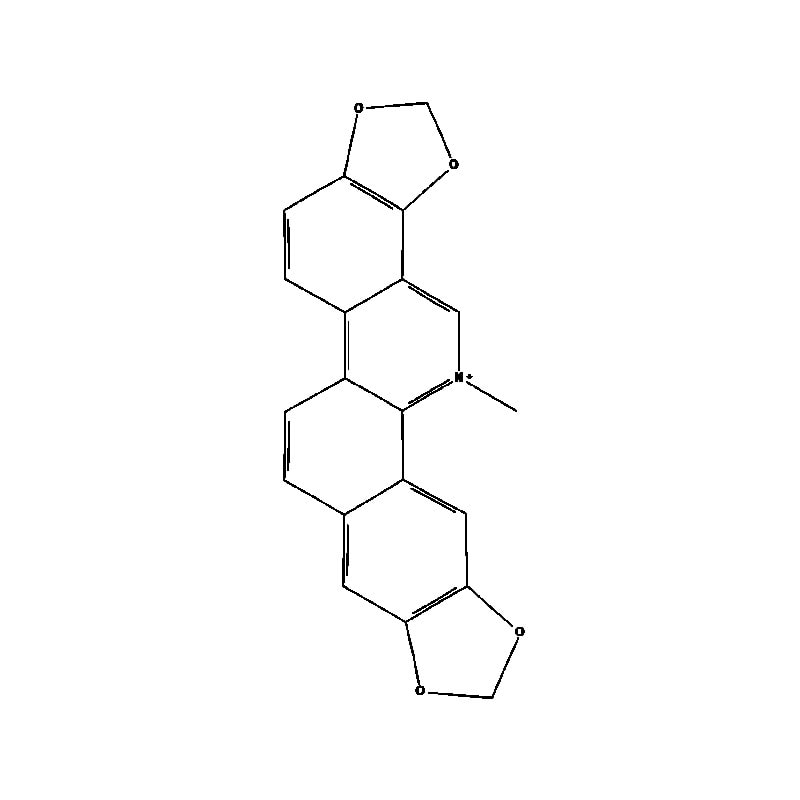

Alkaloid buyers working with Papaveraceae botanicals often separate pigmented benzophenanthridines from generic “herbal extract” line items. Sanguinarine (CAS 2447-54-3) is the catalog name used when the RFQ needs that specific alkaloid identity.
Technical profile first
- Compound class: benzophenanthridine alkaloid
- CAS: 2447-54-3
- Botanical associations: Sanguinaria canadensis (bloodroot); also discussed in other Papaveraceae contexts in literature
- Category: Plant extracts
Appearance, salt form (if any), and assay are lot-specific—use the COA. Please contact MonuoChem for the current commercial specification.
Botanical notes
Bloodroot is the common English name most frequently paired with sanguinarine in North American botanical references. Plant-part and process declarations are manufacturer-dependent and are not invented on this page.
Commercial applications (sourcing language only)
Historical and industrial literature discuss sanguinarine in oral-care and specialty botanical ingredient contexts. Market access and permitted uses vary widely; this listing does not assert finished-product legality or health claims. Treat the page as a phytochemical supply entry.
Procurement checklist
- Confirm CAS 2447-54-3 on PO and COA
- State free base vs salt if your method requires it
- Define quantity and documentation pack
FAQ
What plant is sanguinarine from?
It is strongly associated with bloodroot (Sanguinaria canadensis). Other Papaveraceae sources may appear in literature—rely on the COA botanical declaration for the lot you buy.
Is this page making oral-care efficacy claims?
No. It only identifies the phytochemical for purchasing.
What should be verified before purchase?
CAS, assay, form (base/salt), quantity, and required documents.