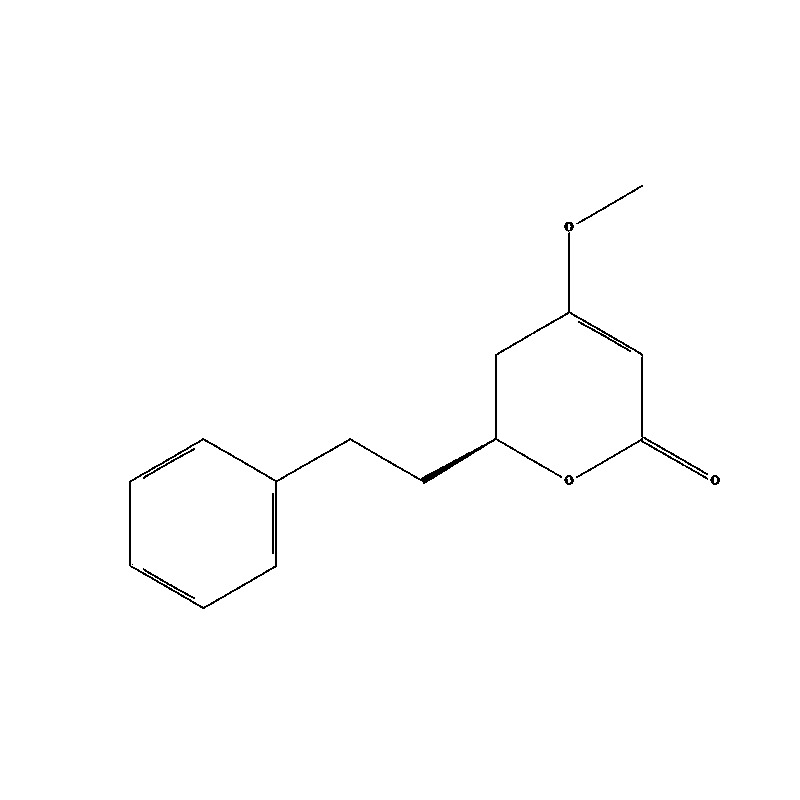
When kava root materials are broken into named lactones for inventory or analytical work, dihydrokavain (CAS 587-63-3) is one of the marker compounds buyers request by CAS rather than by a vague “kava extract” label.
Comparison focus: extract vs named lactone
A kava extract is a multi-constituent botanical product. Dihydrokavain is a single kavalactone identity. Mixing those two article types on one PO creates COA mismatches—state which you need.
Botanical source
- Common name: kava, kava-kava
- Scientific name: Piper methysticum
- Family: Piperaceae
- Plant part commonly referenced: root / rhizome material in kava commerce (confirm if required)
Technical profile
| Product Name | Dihydrokavain |
|---|---|
| CAS Number | 587-63-3 |
| Constituent Class | Kavalactone |
| Botanical Source Association | Piper methysticum |
| Category | Plant extracts |
Assay and other physicochemical fields should follow the lot COA. Please contact MonuoChem for the current commercial specification.
Buyer / compliance note
Kava-related ingredients may face market-specific regulatory attention. This page provides sourcing identity only and does not provide health, therapeutic, or legal-use determinations. Confirm import and finished-product rules in your destination market.
FAQ
What is the difference between dihydrokavain and kava extract?
Dihydrokavain is a named kavalactone (CAS 587-63-3). Kava extract is a complex botanical mixture that may contain several kavalactones.
Which plant part is used?
Kava commerce typically references root/rhizome material. Ask for a declared plant part on the specification if your file requires it.
Can MonuoChem provide COA and SDS?
Available documentation may include COA and SDS, subject to product grade.